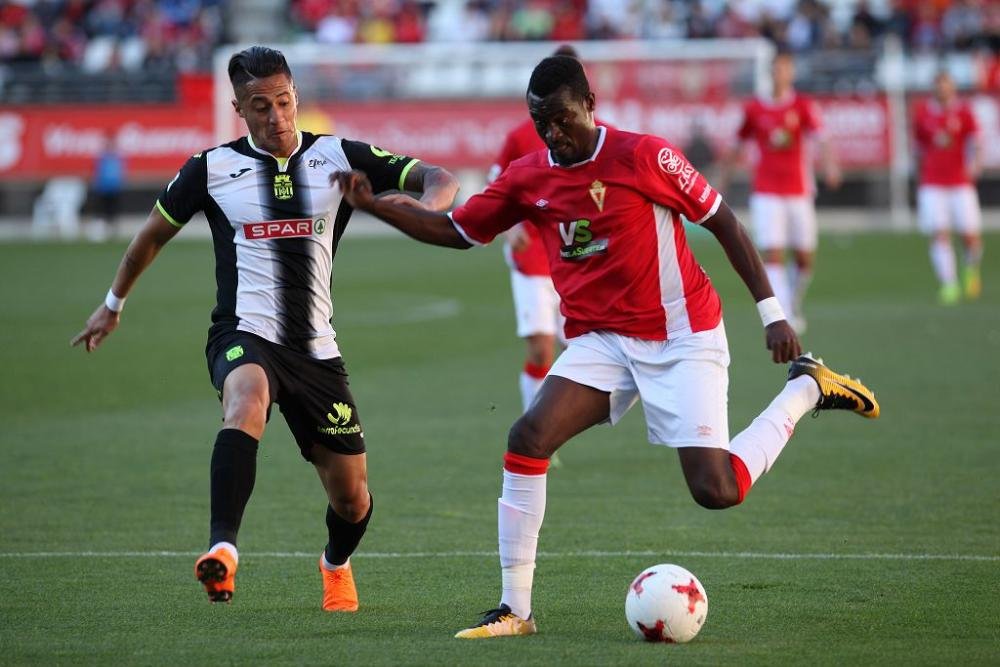
The roar of the crowd, the vivid scarves, the raw emotion bubbling over—there's nothing quite like a football derby. These are more than just games; they are cultural touchstones, pitting neighborhoods, cities, and even ideologies against each other. At the heart of these fervent clashes are the key players and their numbers in derby history, whose feats and rivalries aren't just statistics but the very fabric of these iconic encounters. They represent the triumphs, the heartbreaks, and the indelible marks left on the beautiful game.
These intense rivalries, often rooted in historical events, regional tensions, or sociocultural factors, solidify team identity and forge unforgettable moments. From last-minute winners to controversial send-offs, derby day creates legends—and sometimes, infamy.
At a Glance: Understanding the Derby Phenomenon
- More Than a Match: Derbies are often cultural, social, and even political battlegrounds, not just football fixtures.
- Legends are Born: Iconic players define eras, their statistics in these games becoming part of club lore.
- Deep-Rooted Rivalries: From class struggles to religious divides, the animosity runs deep, often spanning generations.
- Unforgettable Moments: Derbies produce dramatic wins, shocking upsets, and occasionally, tragic events that shape history.
- Global Phenomenon: From Madrid to Manchester, Buenos Aires to Cairo, these high-stakes games unite and divide millions worldwide.
The Heartbeat of Football: What Makes a Derby Truly Special?
Imagine a city divided, not by walls, but by colors. Imagine decades, sometimes over a century, of shared history, contrasting fortunes, and an undying competition for local bragging rights. That's the essence of a football derby. These aren't random fixtures; they are meticulously circled on calendars, discussed in hushed tones, and anticipated with a fervor that transcends mere sport. They tap into deep-seated passions, giving voice to regional pride, historical grievances, or social distinctions.
What distinguishes a derby from any other high-stakes match is this fusion of footballing prowess with powerful external narratives. It's the unique blend of skill on the pitch and intense identification off it that creates moments so profound, they echo through the annals of the game.
Legends Forged in Fire: The Players Who Defined Rivalries
Every great derby has its heroes, its villains, and its defining figures whose statistics become etched into the rivalry's narrative. These players don't just participate; they embody the spirit of the contest.
Spain's Eternal Struggle: El Clásico's Titans
Considered one of the most prestigious derbies globally, El Clásico between Real Madrid and FC Barcelona is a spectacle of footballing excellence intertwined with political and sociocultural drama. The rivalry's early chapters were heavily influenced by a pivotal figure.
- Alfredo Di Stéfano: In 1953, the dispute over signing Di Stéfano became a key event. Both clubs claimed to have signed him, leading to FIFA's controversial shared loan ruling, which Barcelona rejected. Di Stéfano ultimately joined Real Madrid, going on to win five European Cups, forever symbolizing Real Madrid's early dominance and igniting the deep-seated animosity. His sheer presence and goal-scoring ability redefined the rivalry's trajectory.
- Lionel Messi & Cristiano Ronaldo: In the modern era (up to 2018), this duo took El Clásico to unprecedented heights. They transcended club loyalty to become a rivalry within a rivalry, pushing each other to break records with astonishing consistency.
- Cristiano Ronaldo (Real Madrid): Won 3 Golden Boots and 4 Ballon d'Ors during his time at Real. Until 2023, he stood as the UEFA Champions League's all-time top scorer. His raw power and prolific finishing made him a constant threat in every Clásico.
- Lionel Messi (Barcelona): Boasts 5 Golden Boots and 5 Ballon d'Ors from the same period. He remains La Liga's all-time top scorer with an astounding 474 goals. Messi’s mesmerizing dribbling and playmaking repeatedly tormented Real Madrid.
Together, in their nine years of direct competition, they scored an incredible 922 goals, with 38 of those coming in El Clásico matches alone, making them the most prolific individual derby participants in its history. Their presence transformed the fixture into a global event, watched by millions.
England's Fiercest Feud: North West Derby Icons
The rivalry between FC Liverpool and Manchester United is arguably Europe's greatest domestic competition, fueled by geographical proximity and unparalleled success. This animosity has often spilled over, with players openly declaring their feelings.
- Managerial Eras: While specific player numbers are less highlighted than team dominance, the impact of managers like Liverpool's Bill Shankly (8 trophies in 15 years) and Bob Paisley (20 trophies in 9 seasons) cemented their club's status. Manchester United then dominated from 1990-2020, securing 13 league titles, 23 domestic cups, and 5 European trophies, an era defined by many key players under Sir Alex Ferguson.
- Player Animosity: Wayne Rooney (Manchester United) famously confessed his "hatred" for Liverpool, while Steven Gerrard (Liverpool) refused to accept Manchester United shirts, showcasing the intense personal animosity.
- Infamous Incidents: The notorious incident where defender Neil Ruddock (Liverpool) broke both legs of striker Andy Cole (Manchester United) in a reserve match, later admitting he "just wanted to break a leg," underlines the visceral nature of this rivalry, where emotions could boil over beyond the confines of the match score.
Milan's Divided Soul: Derby della Madonnina Heroes
The city derby between AC Milan and Inter Milan, both sharing the iconic San Siro stadium, is a battle for Milanese supremacy. Founded by "disgruntled" members separating from AC Milan, Inter was historically associated with the bourgeoisie, while AC Milan drew support from the working class.
- While specific player goal tallies aren't highlighted in the research, the collective success of both clubs defines their standing. AC Milan holds 7 Champions League titles, and Inter 3, making Milan, after Madrid, the most successful city in continental football. These numbers reflect eras led by legendary players and coaches, whose individual contributions collectively built these trophy cabinets, making them heroes in their respective halves of Milan.
- Fan Incidents: The 2004/2005 derby saw Inter fans repeatedly throwing flares onto the field, causing chaos and game interruption, a testament to the passionate, sometimes unruly, nature of this rivalry.
Scotland's Old Firm: Faith, Fury, and Footballers
The Old Firm Derby between Celtic FC and Glasgow Rangers is deeply rooted in religious division: Celtic is traditionally Catholic, Rangers Protestant.
- Early Days: The first match, a friendly in 1888, saw Celtic triumph 5-2, setting an early marker.
- Breaking Barriers: From the 1930s to the 1980s, Rangers maintained an unwritten rule against signing Catholic players, a barrier controversially broken by manager Graeme Souness in 1986 with the signing of Maurice Johnston from Celtic. This act, while breaking a long-standing tradition, underscored the profound religious aspect of the derby.
- Statistical Edge: Until May 2022, Rangers held a slight lead with 168 wins compared to Celtic's 161 in 430 derbies, illustrating the closely contested nature of this historic feud.
- Tragedy: The most somber number in this derby's history is one: the single fatality of Celtic goalkeeper John Thompson, who suffered a skull fracture after colliding with Rangers' Sam English in 1931, dying later in hospital—a tragic reminder of the game's inherent dangers.
Argentina's Superclásico: Passion Personified
The Superclásico, featuring Boca Juniors and River Plate in Buenos Aires, is globally renowned for its unparalleled passion. Both clubs originated in La Boca, but River Plate moved to the wealthier Núñez district, leaving Boca Juniors to retain its working-class, Italian immigrant identity (Xeneizes).
- Early Encounters: The first official match on August 24, 1913, saw River win 2-1.
- Copa Libertadores Drama: Boca eliminated River from the Copa Libertadores in 2000 and 2001. Later, River famously eliminated Boca in the Copa Sudamericana 2014, Copa Libertadores 2015, Supercopa Argentina 2017, Copa Libertadores 2018, and Copa Libertadores 2019—winning the trophy in all but the last of those instances. These knockout victories represent monumental achievements and bitter pills to swallow for the losing side.
- League Titles: River Plate boasts 33 league titles to Boca Juniors' 24, a numerical representation of their domestic dominance.
- Tragedy: The darkest number associated with the Superclásico is 71: the number of spectators who died in the "Tragedy of Gate 12" in 1968, a crushing incident at El Monumental whose exact cause was never determined.
Manchester's Evolving Battle: From Neighbors to Global Brands
The Manchester Derby pits Manchester United against Manchester City, a rivalry that began modestly but has grown into a global spectacle.
- Early Beginnings: Their first encounter in November 1881 saw Newton Heath LYR (Manchester United) win 3-0, laying the foundation for a long history. Both joined the Football League in 1892.
- Infamous Tackle: In the 1970s, Manchester United legend George Best's tackle on Manchester City's Glynn Pardoe resulted in a broken leg that almost required amputation, a stark example of the intensity and physical toll these derbies could exact on players.
A Global Tapestry of Rivalry: More Derbies, More Legends
Beyond the most famous clashes, derbies worldwide boast their own iconic players, unforgettable numbers, and defining moments. These rivalries, though perhaps less globally broadcast, are just as fiercely contested and deeply embedded in their local cultures.
- Portugal's Classic: Sporting Lisbon vs. Benfica
This Lisbon derby's rivalry dates back to a "theft" of eight players in the early 20th century. Benfica significantly outnumbers Sporting in league titles, with 36 to 18, cementing their status as a national powerhouse. - Mexico's Regional Clash: Monterrey vs. Tigres
A fierce regional rivalry since 1960. Monterrey claimed the Concachampions 2019 final with a 2-1 victory, while Tigres experienced the ultimate derby low, being relegated in 1996 after losing a derby match. - Argentina's Other Grand Derby: Racing vs. Independiente
The first "great" Argentine derby, officially clashing since 1907. Racing has 18 Argentine league titles, but Independiente holds the record with 7 Copa Libertadores trophies, a monumental achievement in South American club football. - Chile's Top Tier: Colo-Colo vs. Universidad
Their rivalry surged in 1959 when "La U" famously snatched the league title from Colo-Colo. Together, they accumulate 50 titles (Colo-Colo 32, Universidad 18). - Morocco's Giants: Raja vs. Wydad
These are Africa's most powerful clubs. Raja has 12 titles, while Wydad boasts 21 trophies, a testament to their domestic dominance. - Germany's Ruhr Powerhouse: Borussia Dortmund vs. Schalke
Known as the Revierderby, it's the highest-level derby in the Bundesliga, renowned for its passionate fans and industrial roots. - London's Northern Supremacy: Arsenal vs. Tottenham
Fighting for North London dominance since 1887. Arsenal historically has a better balance in their 190 official matches, a point of pride for Gunners fans. - Kenya's "Mashemeji Derby": Gor Mahia vs. Leopards
Meaning "in-laws derby," this rivalry began in 1968, and together these clubs have won over 30 league titles, showcasing their national significance. - Seville's Fiery Encounter: Betis vs. Sevilla
Spain's second-most important rivalry. Sevilla famously won a dramatic Europa League last-16 tie in 2014 via penalties, while a recent Copa del Rey derby was suspended due to an object thrown at a player, highlighting the intense emotions. - Brazil's Iconic "Fla-Flu": Flamengo vs. Fluminense
Rio de Janeiro's main derby, it boasts a staggering 194,603 record attendance in 1963 at the Maracanã. Flamengo holds a favorable balance in their nearly 400 clashes. - Liverpool's Other Derby: Liverpool vs. Everton
Everton was Anfield's original owner. Liverpool has dominated this derby with 93 wins to Everton's 66 in 233 matches. Liverpool also has 19 league titles and 6 European Cups to Everton's 9 leagues. - Moscow's Red Rivals: Spartak vs. CSKA Moscow
The most decorated clubs in Russian football, with CSKA notably starting as the Red Army's team. Spartak famously won 9 of the first 10 Russian leagues. - Honduras' Volatile Clash: Motagua vs. Olimpia
One of the most fervent matches in the Americas, unfortunately marked by common violence, including a 2020 incident where four people died before a match could even begin. - Vienna's Class Divide: Rapid vs. Austria Vienna
Rapid (working class) and Austria Vienna (elite) are the most decorated teams in Austria, with Rapid securing 32 leagues and Austria Vienna 24. - Colombia's Capital Showdown: Millonarios vs. Santa Fe
Dating back to 1948, this derby has a unique link to Alfredo Di Stéfano, who arrived at Real Madrid from Millonarios. They combine for 24 league titles (Millonarios 15, Santa Fe 9). - Tehran's Social Divide: Esteghlal vs. Persepolis
Iran's most important teams, with Esteghlal historically associated with the upper class and Persepolis with the working class since their rivalry began in 1968. - Krakow's "Holy War": KS Cracovia vs. Wisla Cracovia
With stadiums less than a kilometer apart, this "Holy War" is notorious for frequent violent incidents. Wisla has a superior record with 15 leagues to Cracovia's 5. - São Paulo's Ultimate Derby: Corinthians vs. Palmeiras
The most significant derby in Brazil, renowned globally in South America. It has decided more championships than any other Brazilian classic. In 372 encounters, it shows remarkable equality: Corinthians with 130 wins to Palmeiras' 129. - Bulgaria's Turbulent Twins: Levski Sofia vs. CSKA Sofia
CSKA, founded as the army team, has 31 leagues to Levski's 26. A notable incident in 1985 saw both teams temporarily dissolved and players jailed after a cup final brawl. - Egypt's African Emperors: Al Ahly vs. Zamalek
Africa's two most important clubs, with Al Ahly holding the record for most titles in football history. Al Ahly, the "team of the people," boasts 40 league titles to Zamalek's 12. - Mexico City's Modern Classic: América vs. Cruz Azul
América is Mexico's most decorated club with 13 titles, while Cruz Azul is fourth with 9. Their rivalry began in 1963 and was known as the "Clásico Moderno" until the 1980s. - Uruguay's Unrivaled Showdown: Peñarol vs. Nacional
A breeding ground for great Uruguayan players, these two clubs share almost 100 of the 118 league editions in their country, with the nation going wild for every match. - Madrid's Royal vs. Rebel: Real Madrid vs. Atlético de Madrid
Spain's second-most important derby. Real Madrid holds a significant advantage with 34 league titles and a staggering 13 Champions League trophies to Atlético's 11 leagues. This is the only derby to have been a European Cup final, with Real Madrid dramatically winning both encounters. For more insights into local rivalries and their statistical breakdowns, you might find specific derby statistics, such as those concerning Rayo Vallecano vs Real Madrid statistics, enlightening. - Rome's Eternal Derby: Lazio vs. Roma
The "derby of the eternal city" for capital dominance peaked around the turn of the century, with Lazio champions in 2000 and Roma in 2001, both sharing the Stadio Olimpico. - Belgrade's "Eternal Derby": Partizan vs. Red Star
Played since 1947, this derby is characterized by violence and strong political and religious tensions. Red Star holds a favorable balance in their 203 confrontations. - Istanbul's Bosphorus Battle: Galatasaray vs. Fenerbahçe
One of Europe's most heated derbies, sparked by a 1934 friendly that devolved into a brawl. Galatasaray is Turkey's only European title winner (UEFA Cup 2000), holding 22 league titles to Fenerbahçe's 19. - Athens' Dominant Duo: Olympiacos vs. Panathinaikos
Olympiacos is the absolute league dominator with 46 titles, winning 18 of 22 in the 21st century. These are the only two clubs to have played in all 61 editions of the Greek Super League.
The Enduring Power of Numbers: More Than Just Stats
The "numbers" in derby history go far beyond mere scores. They encompass:
- Goal tallies: How many goals a player scored against their fiercest rival. These become benchmarks for greatness.
- Appearances: Longevity in derbies speaks volumes about a player's importance and resilience.
- Win/Loss records: Both for individual players and for the clubs, these statistics fuel fan arguments and define periods of dominance.
- Trophy counts: Derbies often serve as direct battlegrounds for league titles or cup glory, adding a layer of immediate consequence to every encounter.
- Attendance records: High numbers signify the cultural importance and mass appeal of a rivalry, like the incredible attendance for the Fla-Flu derby.
These figures aren't dry data points; they are the concrete evidence of a player's impact, a team's legacy, and the emotional investment of millions. They allow fans to quantify greatness, to reminisce about golden eras, and to stoke the flames of rivalry with undeniable facts.
Beyond the Whistle: The Social and Cultural Echoes
Derbies, and the players who define them, often reflect deeper societal tensions. The class divide in Argentina's Superclásico, the religious schism in Scotland's Old Firm, or the political undertones in El Clásico—these are not just backdrops but active ingredients in the rivalry.
The passion often veers into darker territory, as seen in the tragic loss of life at Gate 12 in Buenos Aires or the pre-match violence in Honduras. These grim numbers remind us of the powerful, sometimes overwhelming, emotions that derbies evoke, making them cultural phenomena that transcend the pitch itself. They are a mirror to the societies they represent, showcasing triumphs, divisions, and shared human experiences in their rawest forms.
Carrying the Torch: What Derby History Teaches Us
The key players and their numbers in derby history offer a rich tapestry of footballing lore. They teach us that greatness is often forged in the heat of competition, that rivalries push individuals and teams to new heights, and that some battles are about more than just three points.
As fans, understanding these historical figures and their impact enriches our appreciation for the beautiful game. It allows us to connect with the past, to understand the roots of present-day rivalries, and to marvel at the sustained brilliance required to become a derby legend. So, the next time a derby unfolds, remember the giants who came before, the numbers they etched into history, and the profound stories they tell about passion, pride, and the enduring spirit of football. Their legacies continue to inspire, provoke, and ensure that these iconic clashes remain the beating heart of the sport.